
Fleet Insurance for Columbus, Ohio Trucking Companies: The Complete 2026 Guide
If you run more than one commercial truck out of Columbus, Ohio, this type of coverage is probably the single most important financial decision you’ll make for your business this year. Between rising accident claim costs, dense interstate traffic, and federal filing requirements, trucking companies that skip proper coverage are one bad incident away from losing everything they’ve built. This guide walks Columbus-area owner-operators and fleet managers through what this coverage actually covers, what it costs, and how to structure a policy that protects your trucks, your drivers, and your bottom line.
Why Columbus, Ohio Trucking Companies Need Fleet Insurance
Columbus sits at the crossroads of three major interstates — I-70, I-71, and I-270 — making it one of the busiest logistics hubs in the Midwest. Add in the Rickenbacker Inland Port, one of the largest inland logistics complexes in the country, and you have a city where trucks are constantly merging, loading, unloading, and hauling freight across state lines. That density of traffic means more exposure to accidents, cargo claims, and liability lawsuits, which is exactly why this coverage exists.
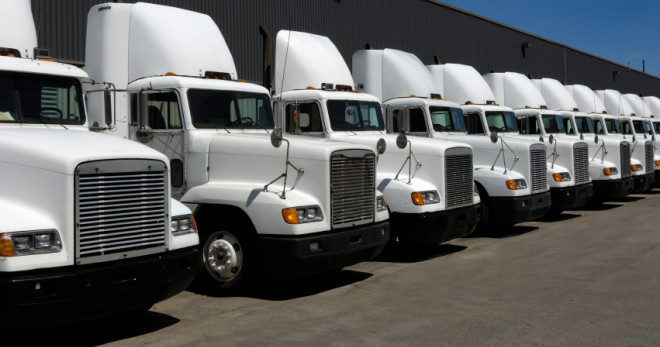
Fleet insurance is a single policy — or a coordinated set of policies — that covers multiple commercial vehicles under one umbrella instead of insuring each truck separately. For a Columbus trucking company running five, ten, or fifty trucks, this approach simplifies administration, often reduces per-unit premiums, and ensures every vehicle on the road carries consistent, compliant coverage. Without it, a growing trucking operation ends up juggling a patchwork of individual policies with different renewal dates, different carriers, and different coverage gaps — a headache for any dispatcher or safety manager to track.
Ohio’s Department of Public Safety and the Federal Motor Carrier Safety Administration (FMCSA) both require minimum liability coverage for commercial trucks operating in and through the state. If your business operates under its own DOT authority, hauls interstate freight, or leases drivers and equipment, this type of coverage isn’t optional — it’s the baseline requirement for staying on the road legally. Columbus Commercial Truck Insurance works with trucking companies throughout central Ohio to build trucking coverage programs that satisfy these requirements while actually fitting the way local businesses operate day to day.
Beyond legal compliance, there’s a practical business case too. Lenders financing new trucks, brokers assigning loads, and shippers signing contracts almost always want proof of adequate coverage before they’ll do business with you. A well-documented coverage program signals to partners across Columbus and central Ohio that your operation is stable, professional, and low-risk to work with.
What Exactly Is Fleet Insurance?
At its core, fleet insurance bundles coverage for multiple trucks, trailers, and drivers into a single policy structure. Instead of separately underwriting each vehicle, an insurance carrier evaluates your entire operation — your trucks, your routes, your drivers’ safety records, your cargo types — and builds one comprehensive program. This differs from a standard single-truck commercial auto policy, which only covers one vehicle and one driver profile.
A well-built policy for a Columbus-based trucking company typically includes several components working together:
- Commercial Auto Liability — covers bodily injury and property damage if one of your trucks causes an accident
- Physical Damage Coverage — comprehensive and collision protection for your trucks and trailers
- Motor Truck Cargo Insurance — protects the freight you’re hauling against loss, theft, or damage
- General Liability — covers non-auto business risks like injuries at a loading dock
- Non-Trucking Liability (Bobtail Insurance) — protects owner-operators when driving without a load, under their own authority
- Trailer Interchange Coverage — covers trailers you’re pulling that you don’t own
- Uninsured/Underinsured Motorist Coverage — protects your drivers if another driver at fault doesn’t carry adequate insurance
- Workers’ Compensation — covers driver and staff injuries on the job
Every one of these components can be scaled across your entire operation, which is the whole point of this: consistent protection, one renewal cycle, and one point of contact when something goes wrong. Rather than tracking eight separate policy documents for eight separate trucks, your team works from a single schedule of vehicles, drivers, and coverage limits.
How Many Trucks Make a “Fleet”?
One of the most common questions Columbus trucking companies ask is how many vehicles they need before fleet insurance makes sense. There’s no universal legal threshold — some carriers define a fleet as two or more commercial vehicles under common ownership, while others set the line at five or more. What matters more than the exact number is whether bundling your vehicles under one program actually saves you money and simplifies management, which for most Columbus operations happens somewhere between two and five trucks.
Even a small owner-operator with two trucks and a couple of drivers can benefit from fleet insurance because it consolidates renewal dates, standardizes coverage limits across vehicles, and often unlocks volume-based pricing that isn’t available on single-truck policies. As your Columbus trucking business grows from two trucks to twenty, your coverage should grow with it, adjusting limits, adding endorsements, and incorporating new equipment types as needed. Many local operators start with individual policies on their first one or two trucks, then transition into a fleet insurance program once they add a third or fourth vehicle and realize how much time a consolidated policy saves.
What Drives the Cost of Fleet Insurance in Ohio?
Premiums for commercial trucking coverage in Columbus and across Ohio are shaped by a combination of factors specific to your business and factors specific to the region. Understanding these variables helps you control costs and negotiate better terms when your policy renews.
Driver safety records. Insurance carriers weigh your drivers’ CSA scores, moving violation history, and accident history heavily. An operation with clean driver records will see significantly lower fleet insurance premiums than one with multiple violations or at-fault accidents on file.
Vehicle types and specialty equipment. A policy covering standard dry van tractor-trailers will price differently than one covering dump trucks, fuel tankers, or flatbeds hauling oversized loads. Specialty equipment carries specialty risk, and your program needs to reflect that.
Radius of operation. Trucks operating locally within Columbus and central Ohio typically carry lower risk profiles than trucks running long-haul routes across multiple states. Underwriters factor in average daily mileage and the geographic scope of your routes when pricing coverage.
Cargo value and type. Hauling high-value freight, hazardous materials, or perishable goods increases the cargo insurance component of your policy. A company moving construction aggregate has a different cargo exposure profile than one moving electronics or fuel.
Claims history. A trucking company with a history of frequent claims will pay more than one with a clean loss run. Carriers typically look back three to five years when pricing a fleet insurance renewal.
Fleet size and vehicle age. Larger fleets sometimes qualify for better per-unit rates due to volume, but older equipment without modern safety features — collision avoidance, telematics, electronic logging devices — can push premiums higher due to increased breakdown and accident risk.
Ohio-specific regulatory requirements. Ohio’s minimum financial responsibility limits, combined with FMCSA’s federal filing requirements for interstate carriers, set the floor for how much liability coverage your policy must carry. Companies hauling hazardous materials or operating heavier vehicles face higher federally mandated minimums, which directly affects the cost of this coverage.
Seasonal Ohio weather. Central Ohio winters bring ice, snow, and reduced visibility on I-70 and I-71, both of which increase accident frequency during December through February. Carriers pricing fleet insurance for Columbus-based operations often factor in seasonal claims data from the region.
Specialty Coverage for Columbus’s Diverse Trucking Industry
Central Ohio’s trucking industry isn’t just long-haul dry van freight. Columbus Commercial Truck Insurance works with a wide range of specialty operators throughout the region, and every program needs to be tailored to match the specific equipment and cargo each business runs.
Dump truck operations hauling gravel, sand, and construction debris around Columbus’s ongoing residential and commercial development face elevated rollover and jobsite injury risk. A dump truck program typically layers general liability and, where required, workers’ compensation on top of standard auto and cargo coverage.
Flatbed operations hauling steel, lumber, and heavy machinery need coverage that accounts for load securement risk and exposure to the elements, since flatbed freight isn’t enclosed the way van freight is.
Box truck operations running local and regional delivery routes throughout Franklin County need a program built around frequent stops, urban driving, and higher-frequency, lower-severity claims.
Fuel hauling operations transporting gasoline, diesel, or other petroleum products carry some of the highest liability exposure in the industry. Coverage for tanker operations needs high-limit liability, pollution protection, and specialized cargo insurance.
Tow truck and garbage truck operations working Columbus’s busy streets and highways face daily stop-and-go risk that generic policies aren’t always designed to handle, which is why these businesses typically need endorsements specific to their work.
Whatever your specialty, coverage should be built around how your trucks actually operate day to day — not a generic template pulled off the shelf and applied to every trucking business the same way.
Federal and Ohio Compliance Requirements Tied to Fleet Insurance
Trucking companies operating under their own DOT authority in Ohio have to satisfy several federal filing requirements, and your coverage is directly tied to meeting them.
BOC-3 filings designate process agents in every state where your fleet operates, and your insurance carrier or agent typically coordinates this filing alongside your fleet insurance policy.
MCS-90 endorsements are required for interstate motor carriers and guarantee that FMCSA’s minimum financial responsibility levels are met, even if your underlying policy has exclusions that would otherwise apply.
Certificates of Insurance (COI) are proof that your coverage is active and meets contractual or regulatory requirements. Brokers and shippers in Columbus frequently require an active COI before dispatching loads, which is why instant access to updated certificates matters for daily operations.
FMCSA minimum liability limits for general freight carriers start at $750,000, but climb significantly higher for hazardous materials haulers. Your policy needs to meet or exceed these federal floors on every vehicle in your fleet, not just your primary trucks.
Staying compliant isn’t just about avoiding fines — it’s about making sure your fleet insurance actually pays out when a claim happens. A policy that technically exists but doesn’t meet federal minimums can leave gaps that surface at the worst possible moment, often during a claim rather than during a routine inspection.
How to Lower Your Fleet Insurance Premiums
Columbus trucking companies looking to control costs without sacrificing coverage have several practical levers to pull.
Invest in driver training and retention. Since driver history is one of the biggest pricing factors, ongoing safety training and lower driver turnover translate directly into better coverage rates over time. Carriers reward operations that can demonstrate consistent, experienced driver rosters.
Install telematics and dash cams. Many carriers offer discounts for trucks equipped with GPS tracking, collision avoidance systems, and driver-facing cameras, since this data reduces disputed claims and improves accident prevention across the fleet.
Bundle coverage types. Combining auto liability, cargo, and general liability into one program with a single carrier often costs less than piecing together separate policies from different providers.
Review your coverage annually. As your business adds or retires vehicles, hires new drivers, or changes routes, your fleet insurance policy should be reassessed. An outdated program either overcharges you for vehicles you no longer operate or leaves gaps for new equipment that was never added to the schedule.
Work with an independent agency that shops multiple carriers. Because pricing varies significantly between carriers based on how they weigh risk factors, working with an agency that has access to multiple markets — rather than being locked into one insurer — typically produces better fleet insurance rates for Columbus trucking companies.
Maintain a clean claims history. This sounds obvious, but proactive maintenance schedules, pre-trip inspections, and defensive driving programs all reduce the frequency of claims that drive up renewal pricing on your policy.
Consider higher deductibles strategically. For fleets with strong cash reserves, raising physical damage deductibles slightly can meaningfully lower premiums premiums without exposing the business to unmanageable out-of-pocket risk.
Choosing the Right Fleet Insurance Partner in Columbus
Not every insurance agency understands the trucking industry deeply enough to build a program that actually fits your operation. When evaluating a partner for your Columbus trucking business, look for a few key qualities.
Industry specialization. An agency that works exclusively or primarily with trucking companies will understand DOT compliance, cargo classifications, and specialty equipment far better than a general commercial insurance broker handling fleet insurance as a side offering.
Access to multiple carriers. The best outcomes for fleet insurance come from agencies that can shop your risk profile across several insurance companies rather than presenting a single quote from one carrier.
Fast claims support. When an accident happens, how quickly your agency responds matters. Look for a partner that offers direct claims assistance rather than routing you through a call center.
Instant Certificate of Insurance access. Columbus trucking companies dispatching loads on tight timelines need the ability to generate a COI immediately, without waiting days for an agent to respond.
Local knowledge. An agency based in Columbus understands Ohio’s specific regulatory environment, local traffic patterns around Rickenbacker and the I-270 outerbelt, and the realities of running trucks through central Ohio winters — all of which factor into how your coverage program should be structured.
Common Fleet Insurance Mistakes Columbus Trucking Companies Make
Even experienced operators run into avoidable problems with their coverage. Watch out for these common issues:
Underreporting fleet value. Some businesses underreport the number or value of vehicles to save on premiums upfront, only to discover during a claim that a truck was never properly scheduled on the policy.
Ignoring driver qualification files. Carriers expect trucking companies to maintain proper driver qualification files, and gaps here can complicate claims even when the underlying coverage is solid.
Letting coverage lapse during a carrier switch. Transitioning from one insurer to another without carefully timing the changeover can create a gap in coverage — a serious problem if an accident happens during that window.
Treating renewal as a formality. Simply renewing last year’s policy without reviewing changes in fleet size, routes, or cargo types means your coverage may no longer match your actual risk.
Building a Program That Grows With Your Business
Fleet insurance isn’t a one-time purchase — it’s an ongoing relationship between your trucking company and your insurance partner. As your Columbus-based fleet grows from a handful of trucks to a full-scale operation, your program needs regular check-ins to make sure coverage limits, vehicle schedules, and driver rosters stay current.
Many trucking companies make the mistake of setting up their coverage once and never revisiting it, only to discover gaps when a new truck wasn’t added or a driver wasn’t properly listed. Proactive management means updating your fleet insurance policy the moment your fleet changes — not waiting for renewal to catch up.
This is particularly important in a market like Columbus, where economic growth around the Rickenbacker logistics corridor and continued warehouse development throughout central Ohio mean local trucking companies are adding trucks and drivers faster than in many other parts of the country. A policy that made sense a year ago may already be outdated for a business that’s expanded its routes or added specialty equipment since then.
Frequently Asked Questions About Fleet Insurance
Does fleet insurance cost less than insuring trucks individually? In most cases, yes. Bundling vehicles under one program typically produces better per-unit pricing than separate policies, though the exact savings depend on your fleet size, driver records, and equipment types.
Can owner-operators with just two trucks qualify? Yes. Many Columbus-area owner-operators start their coverage with as few as two vehicles and expand from there as their business grows.
What happens if I add a truck mid-policy? Your agent can typically add a vehicle to your fleet insurance schedule immediately, with the premium adjusted on a pro-rated basis for the remainder of the policy term.
Is workers’ compensation required for all Ohio trucking companies? Ohio requires most employers, including trucking companies with employees, to carry workers’ compensation coverage through the Ohio Bureau of Workers’ Compensation.
How long does it take to get a quote for a Columbus-based operation? Most local agencies can turn around a quote within a day or two once they have your vehicle list, driver information, and loss runs from your prior carrier. Companies switching providers mid-year should start the process a few weeks before their current policy expires to avoid any lapse in coverage.
Do I need separate coverage for leased drivers? If you lease drivers or equipment to a motor carrier, your responsibilities shift depending on the lease terms. Owner-operators leased onto a carrier typically rely on that carrier’s primary liability coverage while on dispatch, but still need their own non-trucking liability and physical damage protection for times when they’re off dispatch.
Get Coverage Built for Columbus Trucking Companies
Whether you’re running two box trucks or a fifty-unit tractor-trailer operation, fleet insurance is the foundation that keeps your Columbus trucking business protected, compliant, and on the road. The right program accounts for your specific vehicles, your drivers, your cargo, and the realities of operating through central Ohio’s interstates and logistics hubs.
Columbus Commercial Truck Insurance has spent years helping owner-operators and fleet managers throughout Columbus, Ohio secure fleet insurance that actually fits how they operate — not a generic policy pulled from a national call center. Our team works with multiple carriers, understands DOT and FMCSA compliance inside and out, and can get you instant access to your Certificate of Insurance so you’re never stuck waiting on a load.
If your business is ready for coverage built specifically around your trucks, your drivers, and your routes, reach out to Columbus Commercial Truck Insurance at (614) 587-3031 or visit our office at 175 S 3rd St, Suite 1420, Columbus, OH 43215. Our team is available to review your current policy, identify gaps, and put together a fleet insurance quote tailored to your operation — so you can focus on hauling freight instead of worrying about what happens if something goes wrong.
