
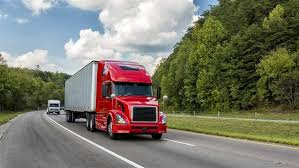
If you run a tractor-trailer out of Central Ohio, you already know Columbus is one of the busiest freight hubs in the Midwest. Interstates 70 and 71 cross in the middle of downtown, I-270 loops the entire metro, and the Rickenbacker Inland Port in Lockbourne moves rail, air, and truck freight around the clock. That steady volume is great for business, but it also means more traffic, more exposure, and more scrutiny from shippers, brokers, and regulators. The right semi-truck insurance is what keeps a single accident from wiping out years of hard work.
This guide is written for drivers and carriers in Columbus and nearby communities, including Grove City, Groveport, Obetz, Hilliard, Dublin, Westerville, Reynoldsburg, Gahanna, and New Albany. We will walk through what Ohio and federal rules require, which coverages actually matter for a Columbus-based rig, what drives your premium up or down, and how to get a fast, accurate quote from a local agency that knows the semi-truck insurance market.
Why Columbus Is a Unique Market for Truck Coverage
Columbus has become a national logistics center, and that changes how insurers view trucks garaged here.
A Crossroads of Major Freight Corridors
I-70 carries east-west traffic between Indianapolis and Pittsburgh, I-71 links Cincinnati to Cleveland, and US-23 and US-33 feed agricultural and manufacturing freight into the city from the north and southeast. Columbus is often described as being within a single day’s drive of a large share of the U.S. and Canadian population, which is exactly why so many distribution centers have been built along the southern and western edges of Franklin County.
For underwriters, that density means heavy-traffic miles on the I-270 outerbelt and the I-70/I-71 split, plus higher urban claim costs for medical care, attorneys, and repairs. Any carrier quoting semi-truck insurance in Franklin County will price for both.
Rickenbacker, Intermodal Yards, and Warehouse Row
The Rickenbacker area near Groveport and Lockbourne includes an international cargo airport, the Norfolk Southern intermodal terminal, and a massive cluster of fulfillment centers. Drayage drivers who shuttle containers between the rail yard and nearby warehouses face constant stop-and-go driving, tight dock spaces, and frequent trailer swaps. Those exposures call for coverage like trailer interchange and non-owned trailer physical damage, which many generic policies leave out.
Large construction projects around New Albany and Licking County have also drawn dump trucks and flatbeds into the region, and those general contractors usually require higher limits and specific certificate wording.
Ohio Weather and Road Conditions
Central Ohio sees freeze-thaw cycles, black ice, and sudden winter storms, plus construction zones that last all season. Insurers track weather-related claims by region, so showing underwriters your safety measures helps offset that risk.
Commercial vehicle enforcement is active around Columbus, with inspections common along I-70 and I-71. Keep your cab card, insurance certificate, and registration current and easy to reach. A missing or expired document can turn a roadside check into delays, fines, or an out-of-service order that costs a load.
What Ohio and Federal Law Require
Missing the legal minimums can mean a suspended authority, out-of-service orders, and fines.
Interstate Carriers and the FMCSA
If you cross state lines, or haul freight that started or will end in another state, you fall under the Federal Motor Carrier Safety Administration. For-hire carriers hauling general, non-hazardous freight in trucks over 10,001 pounds must carry at least $750,000 in primary auto liability. Certain hazardous materials require $1 million or as much as $5 million, depending on the commodity.
Your insurance company proves that coverage to the FMCSA by filing a BMC-91 or BMC-91X, and your policy will include an MCS-90 endorsement. You will also need a BOC-3 filing that names process agents in every state where you operate. When you shop for semi-truck insurance, always confirm that the agency will file these forms for you and monitor them so they do not lapse.
Intrastate Carriers and PUCO
If you only run loads that begin and end inside Ohio, you are dealing with the Public Utilities Commission of Ohio, better known as PUCO. Intrastate for-hire carriers generally need a Certificate of Public Convenience and Necessity (CPCN) and must have proof of insurance filed with PUCO, usually through a Form E submitted by the insurer. PUCO can suspend your certificate if that filing lapses, even if your federal records look clean.
Many new owner-operators in Columbus are surprised to learn that a truck running only between a Groveport warehouse and a Cincinnati distribution center still has state filing requirements. Your agent should ask detailed questions about where your loads originate and end so your semi-truck insurance and filings match your real operation.
Contract and Broker Requirements Often Go Further
Legal minimums are a floor, not a target. Most brokers, shippers, and large Columbus-area warehouses require $1 million in auto liability and $100,000 or more in motor truck cargo coverage before they will tender a load. Building your semi-truck insurance around the contracts you want to win, rather than the bare legal minimum, is one of the most important decisions you will make.
Core Coverages Every Columbus Rig Needs
A complete policy packages several coverages together.
Primary Auto Liability
This is the heart of your semi-truck insurance. Primary liability pays for injuries and property damage you cause to others in an at-fault accident. Because a loaded tractor-trailer can weigh up to 80,000 pounds, even a low-speed collision on Broad Street or High Street can cause serious damage. Liability is the coverage regulators require and the one brokers check first.
Physical Damage Coverage
Physical damage covers your own tractor and trailer. Collision coverage pays when your rig is damaged in a crash, while comprehensive covers theft, fire, vandalism, hail, falling objects, and hitting a deer. Deer strikes are a real concern on the rural stretches of US-33 and I-71 outside the city. If you financed or leased your equipment, the lender will require physical damage, and they will typically be listed as loss payee on your semi-truck insurance.
Motor Truck Cargo Insurance
Cargo coverage protects the freight you haul if it is damaged or stolen while in your care. Make sure your cargo policy fits what you actually haul, because some forms exclude electronics, tobacco, alcohol, or refrigerated loads unless you add specific endorsements.
Non-Trucking and Bobtail Liability
If you are an owner-operator leased to a motor carrier, the carrier typically provides primary liability while you are under dispatch. Non-trucking liability fills the gap when you are using the truck for personal reasons, such as driving home to Hilliard after a run. Bobtail coverage is similar but applies when you are driving without a trailer. Your lease agreement will spell out which you need.
Trailer Interchange and Non-Owned Trailer Coverage
If you pull trailers owned by someone else under a written interchange agreement, trailer interchange coverage protects you when that equipment is damaged in your possession. This is especially important for drayage and intermodal work around the Rickenbacker terminal.
Occupational Accident and Workers’ Compensation
Ohio is a monopolistic workers’ compensation state, so employers generally obtain coverage through the Ohio Bureau of Workers’ Compensation. Independent owner-operators often buy occupational accident insurance to protect their income if they are hurt on the job.
Optional Coverages Worth Considering
Once your core semi-truck insurance is in place, a few additional coverages can close dangerous gaps.
- General Liability: Covers injuries or property damage that happen off the road, such as at a customer’s loading dock.
- Umbrella or Excess Liability: Adds extra limits above your primary policy, often required for large contracts.
- Reefer Breakdown: Protects refrigerated loads if your unit fails, important for food and pharmaceutical freight moving through Columbus.
- Downtime or Rental Reimbursement: Helps cover lost income or a replacement truck while your rig is in the shop.
- Hired and Non-Owned Auto: Protects your business when employees use rented or personal vehicles for work.
- Gap Coverage: Pays the difference between what you owe on a loan and what your truck is worth if it is totaled.
How Much Does Semi-Truck Insurance Cost in Columbus?
There is no single price that fits everyone. A brand-new authority will almost always pay more than an established fleet with clean loss history. It is more useful to understand what underwriters look at when they price semi-truck insurance in Central Ohio.
Factors That Raise or Lower Your Premium
- Years in business: New authorities are considered higher risk. Premiums often drop after the first and second years of clean operation.
- Driver experience and records: CDL holders with two or more years of verifiable experience and a clean MVR qualify for much better rates.
- Radius of operation: Local routes within Franklin County price differently from regional or long-haul operations.
- Type of freight: General dry van freight is typically less expensive to insure than hazmat, auto hauling, or high-value goods.
- Equipment value: A newer tractor costs more to cover with physical damage than an older unit.
- Garaging location: Trucks parked in dense urban ZIP codes may price higher than those garaged in surrounding suburbs or rural counties.
- Safety scores: Your CSA scores and inspection history with the FMCSA directly influence how underwriters view your operation.
- Deductibles: Choosing a higher deductible lowers your premium, as long as you can afford to pay it after a claim.
Smart Ways to Save Without Cutting Corners
The cheapest policy is rarely the best value. Here are proven ways Columbus truckers can lower the cost of semi-truck insurance while keeping strong protection:
- Install dash cameras and ELD-linked telematics, and share the safety data with your insurer.
- Hire experienced drivers and run thorough background and MVR checks.
- Pay your premium in full or through a reputable premium finance plan if it offers a lower total cost.
- Keep up with maintenance and inspections to protect your CSA scores.
- Bundle your coverages with one agency so nothing slips through the cracks.
- Review your policy every year as your business, routes, and equipment change.
An independent agency that works with multiple carriers can compare semi-truck insurance quotes side by side, which is the fastest way to find real savings.
Coverage for Every Type of Operation in Central Ohio
We write policies for a wide range of operations across the region:
- Tractor-trailer and dry van carriers running regional and long-haul freight out of Columbus warehouses.
- Flatbed haulers moving steel, lumber, machinery, and building materials for Central Ohio construction projects.
- Dump trucks hauling gravel, sand, and asphalt to job sites around the metro.
- Fuel and tanker haulers that need high-limit liability and pollution coverage.
- Box trucks, hot shot rigs, and cargo vans serving last-mile and expedited delivery routes.
- Tow trucks and garbage trucks working on busy city streets every day.
Whatever you drive, your semi-truck insurance should be built around your actual equipment, freight, and routes rather than a one-size-fits-all package.
Owner-Operators vs. Fleets: Different Needs
Owner-Operators Under Their Own Authority
If you run under your own MC number, you are responsible for every piece of your coverage and every filing. That includes primary liability, cargo, physical damage, and the federal or PUCO filings that keep your authority active. Many first-year owner-operators in Columbus underestimate the down payment and monthly cost of a new authority policy, so it is wise to talk with an agent several weeks before you plan to start hauling. Getting quotes early also gives you time to compare semi-truck insurance options instead of accepting the first offer.
Leased Owner-Operators
If you are leased to a carrier, it usually provides primary liability. You will still need physical damage on your truck plus non-trucking liability or bobtail coverage. Read your lease to see what is charged back to you.
Small and Growing Fleets
Fleets with two or more power units gain options like fleet discounts and loss-control programs. As you grow, your semi-truck insurance should grow with you. Report new trucks, drivers, and states to your agent promptly so there are no coverage gaps.
Step-by-Step: How to Get Semi-Truck Insurance in Columbus
Here is the process we walk local truckers through every day.
Step 1: Gather Your Information
Have this ready before you request a quote:
- USDOT and MC numbers, or your PUCO information if you run intrastate only
- Driver names, dates of birth, CDL numbers, and years of experience
- Year, make, model, and VIN for each tractor and trailer
- The types of freight you haul and your typical radius
- Prior insurance history and any loss runs from the last three to five years
Step 2: Choose the Right Limits
Decide on limits based on your contracts, not just the legal minimum. Ask your brokers and shippers what they require so your semi-truck insurance meets their standards from day one.
Step 3: Compare Quotes From Multiple Carriers
An independent agency can shop your application with several insurance companies that specialize in trucking. Each underwriter views risk differently, so the same operation can see very different prices and terms. Comparing semi-truck insurance quotes this way helps you find the strongest coverage for the money.
Step 4: Review the Policy Details
Before you sign, check exclusions, deductibles, radius restrictions, scheduled drivers, and cargo limitations. Make sure every trailer you pull is listed or covered under a non-owned trailer form.
Step 5: Complete Filings and Get Your Certificates
Once you bind coverage, your agency should submit the required BMC-91, MCS-90, Form E, or other filings and issue certificates of insurance to your brokers. At Columbus Commercial Truck Insurance, we can even set you up with a login to generate your own certificates instantly, 24 hours a day, so you never miss a load waiting on paperwork.
Common Mistakes Columbus Truckers Should Avoid
Even experienced drivers make costly errors when buying semi-truck insurance. Watch out for these:
- Buying on price alone: The lowest quote may exclude coverage you need.
- Under-insuring cargo: A $100,000 limit may not cover a high-value load of electronics or pharmaceuticals.
- Forgetting to add new drivers or trucks: Unlisted drivers and equipment can lead to denied claims.
- Letting filings lapse: A missed payment can cancel your policy and trigger an authority suspension with the FMCSA or PUCO.
- Ignoring radius limits: If your policy is rated for local hauling and you take a load to Chicago, a claim may be challenged.
- Not reviewing your policy annually: Your business changes, and your semi-truck insurance should change with it.
What to Do After an Accident in Columbus
Knowing what to do after a crash protects you and your claim.
- Make sure everyone is safe and call 911 if anyone is hurt. Move to a safe location if possible.
- Contact law enforcement. In the city limits this will usually be the Columbus Division of Police, while crashes on interstates may involve the Ohio State Highway Patrol.
- Document the scene with photos, dash cam footage, and witness contact information.
- Notify your motor carrier if you are leased on, and report the accident to your insurance agent as soon as possible.
- Follow post-accident drug and alcohol testing rules if the crash meets FMCSA criteria.
- Do not admit fault or sign anything from the other party before talking with your insurer.
Fast reporting gives your semi-truck insurance carrier the best chance to defend you and resolve the claim efficiently. Columbus truckers deserve a local agent who actually answers the phone.
Why Work With Columbus Commercial Truck Insurance
There are national call centers that sell semi-truck insurance, but they do not know Columbus the way a local agency does. Our office is right downtown at 175 S 3rd St, Suite 1420, and we work with truckers across Franklin County and all of Central Ohio every day.
What Sets Us Apart
- Multiple carriers: We work with many major insurance companies, so we can shop around to find the best fit for your operation.
- Industry expertise: We understand the specific coverage needs of owner-operators, small fleets, and specialty haulers.
- Instant certificates: We are available around the clock and can give you a login to create your own certificates of insurance instantly.
- Filing support: We handle DOT and federal filings, including BOC-3 and MCS-90, plus state filings when needed.
- Advocacy: We fight for our customers at renewal and at claim time, so you are never left on your own.
Clients describe our team as upfront and knowledgeable, with no surprises. That is the standard we hold ourselves to on every semi-truck insurance policy we write.
Frequently Asked Questions About Semi-Truck Insurance in Columbus
How fast can I get covered?
Often we can quote the same day and bind coverage shortly after you approve a policy. New authorities may take a little longer because of underwriting and filing timelines.
Can I get semi-truck insurance with a new authority?
Yes. Many insurance companies write new ventures, especially when the driver has solid CDL experience. Expect higher premiums in the first year, with room to improve as you build a clean record.
Do I need different coverage for intrastate and interstate work?
The coverages are similar, but the filings differ. Interstate carriers file with the FMCSA, while intrastate for-hire carriers file with PUCO. Some Columbus operators need both.
Does semi-truck insurance cover my trailer?
Only if your trailer is listed for physical damage or you carry trailer interchange or non-owned trailer coverage. Always confirm every trailer you pull is protected.
Is semi-truck insurance tax deductible?
For most trucking businesses, insurance premiums are a business expense. Talk with your accountant or tax advisor about your specific situation.
Get Your Columbus Semi-Truck Insurance Quote Today
Whether you are a first-year owner-operator in Grove City, a drayage driver working the Rickenbacker yards, or a growing fleet based near Hilliard, our team will build semi-truck insurance that fits your routes, your freight, and your budget.
Call Columbus Commercial Truck Insurance at (614) 587-3031, start an online quote, or contact our office to speak with a local agent. For more tips on protecting your trucking business, visit our blog. We are here to work for you, so you can stay focused on the road ahead.

Leave a Reply