
Box Truck Insurance in Columbus, Ohio: The Complete 2026 Guide for Owner-Operators and Fleets
If you drive a straight truck through the Short North, deliver freight down I-70 and I-71, or run last-mile routes out of a warehouse near Rickenbacker, one question should be sitting at the top of your to-do list: do you have the right box truck insurance in place? Columbus has become one of the busiest logistics hubs in the Midwest, and with that growth comes more traffic, more delivery deadlines, and more risk for every box truck on the road. This guide walks through everything a Columbus-area owner-operator or fleet manager needs to know about box truck insurance — what it covers, what it costs, how Ohio regulations factor in, and how to choose a policy that actually protects your business instead of just checking a box.
Columbus Commercial Truck Insurance has worked with box truck operators throughout Central Ohio, from independent movers in Grandview Heights to delivery fleets serving Dublin, Westerville, and the Rickenbacker Global Logistics Park. We wrote this guide to help you understand your options before you ever pick up the phone, so you can walk into a quote conversation already knowing what questions to ask and what coverage actually matters for a business like yours.
What Is Box Truck Insurance?
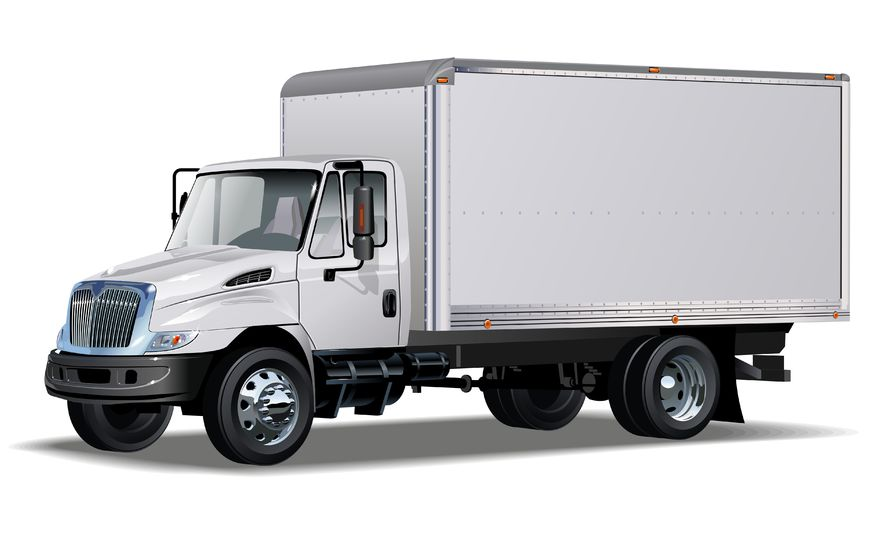
Box truck insurance is a category of commercial auto coverage built specifically for straight trucks — typically 16 to 26 feet in length — that haul freight, furniture, appliances, packages, or equipment for a living. Unlike a personal auto policy, or even a standard commercial auto policy written for a passenger vehicle, box truck insurance is priced and structured around the realities of commercial hauling: heavier loads, frequent stops, tight urban routes, and the financial exposure that comes with carrying someone else’s cargo.
A typical box truck insurance policy is built from several coverage pieces working together. Primary auto liability protects you if you cause an accident that injures someone or damages their property. Physical damage coverage — comprehensive and collision — protects your own truck from collisions, theft, vandalism, and weather-related damage. Motor truck cargo coverage protects the freight inside the box in case it’s damaged, stolen, or lost in transit. And depending on how you operate, you may also need non-trucking liability, general liability, or hired and non-owned auto coverage layered on top.
The point of box truck insurance isn’t just to satisfy a lease agreement or a shipper’s contract requirement — although it usually does that too. It’s to make sure that a single bad day on I-270 doesn’t wipe out your business.
Why Columbus Box Truck Operators Face Unique Risk
Every city has traffic, but Columbus has a specific mix of conditions that make box truck insurance especially important for local operators. The city sits at the intersection of three major interstates — I-70, I-71, and I-270 — which means box trucks running local deliveries are constantly merging with long-haul semis, commuter traffic, and construction zones. Downtown Columbus, German Village, and the Short North add narrow streets, tight loading zones, and heavy pedestrian activity, all of which raise the odds of a low-speed but costly incident.
Ohio winters add another layer of risk. Snow, ice, and sudden temperature swings between November and March create hazardous driving conditions across Franklin County, and box trucks — with their high center of gravity and large flat sides — are particularly vulnerable to skids, jackknifing, and wind-related rollovers on open stretches like I-270’s outerbelt. A solid box truck insurance policy accounts for these seasonal risks with physical damage coverage that responds whether the damage comes from a collision, a fallen tree limb, or a hailstorm in a parking lot.
Then there’s the growth factor. Columbus has become a major distribution and e-commerce hub, home to massive fulfillment centers around Rickenbacker Airport and along the Route 33 corridor. That growth has put more box trucks on Central Ohio roads than ever before, running tighter schedules and more frequent stops. More trucks and tighter timelines generally mean more opportunities for accidents, which is exactly why carrying the right box truck insurance matters more today than it did five years ago.
Who Actually Needs Box Truck Insurance?
Box truck insurance isn’t just for long-haul freight companies. In and around Columbus, the operators who typically need this coverage include:
- Local and regional movers hauling household goods between Columbus neighborhoods and surrounding suburbs like Upper Arlington, Bexley, and Hilliard.
- Last-mile delivery contractors working with e-commerce platforms and regional distribution centers.
- Furniture and appliance delivery businesses serving retailers throughout the Columbus metro area.
- Independent owner-operators leased to a motor carrier and running regional routes.
- Small fleet owners managing three to ten box trucks for a growing logistics or courier operation.
- Catering, event, and mobile business owners who use a box truck as a rolling storefront or supply vehicle.
If your truck is titled or registered to a business, is used to generate income, or is leased or financed, you almost certainly need commercial box truck insurance rather than a personal auto policy. Most personal policies explicitly exclude commercial use, which means a claim could be denied entirely if you’re hauling freight for pay without the correct coverage.
What Does a Box Truck Insurance Policy Actually Cover?
Every box truck insurance policy should be built around your specific operation, but most Columbus-area policies include some combination of the following coverages.
Primary Liability Coverage. This is the foundation of any commercial trucking policy and is legally required to operate. It pays for bodily injury and property damage you cause to others in an at-fault accident, along with associated legal costs if you’re sued.
Physical Damage Coverage. Comprehensive and collision coverage protect the truck itself. Comprehensive handles non-collision losses like theft, fire, vandalism, and severe weather, while collision covers damage from an accident regardless of fault. For a financed or leased box truck, physical damage coverage is typically required by the lender.
Motor Truck Cargo Coverage. This protects the freight you’re hauling. If a load shifts, gets damaged in a crash, or is stolen while the truck is parked overnight in a Columbus warehouse lot, cargo coverage helps pay to replace or repair it. Cargo limits should be matched to the actual value of what you typically transport.
Non-Trucking Liability (Bobtail Coverage). If you’re leased to a motor carrier but drive the truck for personal use or between dispatch assignments, non-trucking liability fills the coverage gap during those periods when the carrier’s policy isn’t active.
General Liability Coverage. This protects your business from claims unrelated to driving, such as a customer injury during a delivery or loading incident, or property damage that occurs while your crew is on someone else’s premises.
Hired and Non-Owned Auto Coverage. If your business occasionally rents a box truck or uses a vehicle you don’t own for company purposes, this coverage extends liability protection to those situations.
Medical Payments and Uninsured/Underinsured Motorist Coverage. These protect you and your drivers if you’re injured in an accident, particularly one caused by a driver with little or no insurance — which unfortunately isn’t rare on Ohio highways.
A well-structured box truck insurance policy layers these coverages together based on how you actually operate, rather than offering a one-size-fits-all package that either leaves gaps or charges you for coverage you don’t need.
What Does Box Truck Insurance Cost in Columbus?
There’s no single number that applies to every operator, because box truck insurance premiums are shaped by a long list of variables. That said, Columbus-area box truck operators can generally expect their rates to be influenced by the following factors:
- Radius of operation. A box truck running local Columbus routes typically costs less to insure than one running long-haul across multiple states, since longer routes mean more exposure to accidents.
- Cargo type and value. Hauling high-value electronics or furniture carries different cargo risk than hauling non-perishable retail goods.
- Driving history. Clean driving records with no major violations or at-fault accidents help keep your premiums lower.
- Years in business and experience. New operators often pay more until they establish a claims history, while experienced owner-operators with a clean record can qualify for better rates.
- Truck age, value, and safety features. Newer trucks with modern safety technology can sometimes qualify for discounts.
- Garaging location. Where the truck is parked overnight affects theft and vandalism risk, which matters for physical damage pricing.
- Coverage limits and deductibles. Higher liability limits and lower deductibles increase premiums, while adjusting these numbers can help balance cost against protection.
- Number of trucks in the fleet. Fleet policies often bring per-unit savings compared to insuring a single truck.
Because so many variables affect pricing, the only reliable way to know what box truck insurance will cost for your specific operation is to get a customized quote rather than relying on a generic online estimate.
Ohio Regulations and Federal Requirements That Affect Your Coverage
Box truck operators in Columbus need to think about more than just state minimum liability limits. Depending on your gross vehicle weight rating, the distance you travel, and whether you operate under your own authority or someone else’s, you may be subject to Federal Motor Carrier Safety Administration (FMCSA) rules that require specific minimum liability limits — often well above what a typical business would carry for a passenger vehicle.
If you operate under your own DOT authority, you’ll also need to file proof of financial responsibility, and many shippers or brokers will require a Certificate of Insurance before they’ll dispatch a load to you. Box truck insurance policies from an agency familiar with Ohio’s trucking regulations typically include support for BOC-3 process agent filings and MCS-90 endorsements when required, along with fast turnaround on Certificates of Insurance so you’re not stuck waiting to accept a job.
Working with an agency that understands both Ohio state requirements and federal trucking regulations helps ensure your policy actually satisfies every filing you’re required to have — not just the coverage limits.
Common Mistakes Columbus Box Truck Owners Make With Insurance
Underinsuring cargo value. Operators sometimes set cargo limits based on an old average load, then end up underinsured the day they haul a higher-value shipment. Review your cargo coverage limits any time your typical freight changes.
Assuming a personal auto policy is enough. Using a personal policy for a commercial box truck is one of the most common — and costly — mistakes. If a claim is filed and the insurer discovers commercial use, the claim can be denied entirely, leaving you responsible for the full cost of the accident.
Choosing coverage based on price alone. The cheapest box truck insurance quote isn’t always the best value if it comes with high deductibles, thin cargo limits, or exclusions that leave you exposed during common scenarios like loading and unloading.
Not updating the policy as the business grows. Adding a second or third truck, hiring your first driver, or expanding your delivery radius all change your risk profile. A policy that fit a single-truck operation last year may no longer be adequate.
Skipping non-trucking liability. Leased operators sometimes assume the motor carrier’s policy covers them at all times. In reality, there are gaps between dispatched loads where non-trucking liability is the only thing standing between you and a major loss.
How to Choose the Right Box Truck Insurance Policy
Finding the right box truck insurance policy comes down to matching coverage to how your business actually operates, not just picking the lowest quote. A few practical steps can help:
- Get quotes from an agency that specializes in commercial trucking, rather than a general auto insurer that occasionally writes commercial policies. Trucking-focused agents understand cargo coverage nuances, DOT filings, and the operational realities of running a box truck in a city like Columbus.
- Compare more than the premium. Look closely at liability limits, cargo limits, deductibles, and any exclusions before deciding which quote actually offers the best protection for your money.
- Ask about claims support. A fast, responsive claims process matters more than almost anything else when your truck — and your income — is sitting in a body shop.
- Confirm DOT and filing support. If you operate under your own authority, make sure your agency can handle BOC-3 filings, MCS-90 endorsements, and Certificate of Insurance requests without delay.
- Revisit your policy annually. As your Columbus-based business grows, your coverage should grow with it. An annual review helps catch gaps before they turn into expensive surprises.
Why Local Expertise Matters When Buying Box Truck Insurance
An out-of-state call center might be able to sell you a policy, but they won’t know that I-270’s outerbelt turns hazardous during a Central Ohio ice storm, or that navigating a straight truck through the Short North during a Saturday farmers market requires a different risk profile than running Route 33 out toward Marysville. Local knowledge shapes smarter box truck insurance decisions — from setting the right cargo limits to recommending coverage that matches the specific delivery routes and neighborhoods you actually run.
Columbus Commercial Truck Insurance works with owner-operators and fleet managers throughout Franklin County and Central Ohio, shopping multiple carriers to find box truck insurance that fits both your operation and your budget. Because the agency works with multiple insurance companies rather than a single carrier, Columbus-area truckers get options instead of a single take-it-or-leave-it quote — along with fast Certificate of Insurance support and guidance on DOT compliance from a team that understands the trucking industry specifically, not insurance in general.
Frequently Asked Questions From Columbus Truck Owners
Do I need commercial coverage if I only drive locally within Columbus? Yes. Whether you’re running routes across town or hauling freight across state lines, the fact that the vehicle is used for business purposes is what triggers the need for a commercial policy — not the distance you drive. Local Columbus operators still face liability exposure, cargo risk, and physical damage risk every time the truck leaves the lot, and a personal auto policy typically won’t respond to a claim that happens during business use.
How much liability coverage do I actually need? It depends on your operating authority, the value of the freight you haul, and any contractual requirements from shippers or brokers you work with. Some operators only need to meet Ohio’s state minimums, while others — particularly those operating under their own DOT authority — are required to carry federal minimum limits that are considerably higher. An agent familiar with FMCSA rules can walk you through which limits apply to your specific setup.
Will my rates go down if I add safety equipment to my truck? Often, yes. Backup cameras, collision-avoidance systems, dash cams, and telematics devices can all reduce risk in the eyes of an underwriter, and many carriers offer discounts for trucks equipped with this kind of technology. It’s worth asking your agent which upgrades actually move the needle on pricing before you invest in new equipment.
Can I get coverage if I’m a new owner-operator with no trucking experience? Yes, though new operators typically pay higher premiums until they build a claims history. Some carriers are more willing than others to work with first-year operators, which is another reason it helps to work with an agency that shops multiple companies rather than being tied to a single underwriter with rigid experience requirements.
What happens if I let my policy lapse, even briefly? A lapse in coverage can be a serious problem. Beyond the obvious risk of driving uninsured, a lapse can also make it harder to qualify for standard rates when you go to reinstate coverage, since many carriers view a gap as a red flag. It can also jeopardize your DOT authority if you’re required to maintain continuous proof of financial responsibility on file.
How quickly can I get a Certificate of Insurance when a shipper asks for one? This varies by agency, but many Columbus-area brokers and shippers expect same-day turnaround. Working with an agency that offers instant COI access — including online portals where you can generate your own certificate — can be the difference between accepting a load today and losing it to another carrier who can produce proof of coverage faster.
Should I bundle my box truck with other business insurance? For many operators, yes. Bundling auto, cargo, and general liability coverage with the same carrier or agency can simplify renewals, reduce paperwork, and sometimes unlock multi-policy discounts. It also means one point of contact if you ever need to file a claim that touches more than one type of coverage.
Getting Your Box Truck on the Road With the Right Coverage
Box truck insurance is one of the most important investments you’ll make as an owner-operator or fleet owner in Columbus. It protects your truck, your cargo, your income, and your ability to keep operating after an accident that would otherwise be financially devastating. Between Columbus’s growing logistics footprint, unpredictable winter weather, and the sheer volume of traffic converging on I-70, I-71, and I-270, the risks facing local box truck operators are real — and so is the value of a properly structured policy.
Whether you’re insuring your first box truck or managing a growing fleet delivering across Central Ohio, taking the time to build the right box truck insurance policy now can save you significant money, stress, and downtime later. Reach out to a Columbus-based agency that understands local roads, Ohio regulations, and the trucking industry to get a policy built around how you actually operate — not a generic template.
Ready to protect your business? Columbus Commercial Truck Insurance can help you compare box truck insurance options from multiple carriers, handle your DOT filings, and get you an instant Certificate of Insurance when you need it. Call (614) 587-3031 or request an online quote today to get started, and drive across Central Ohio knowing your truck, your cargo, and your business are properly protected on every single route.
