
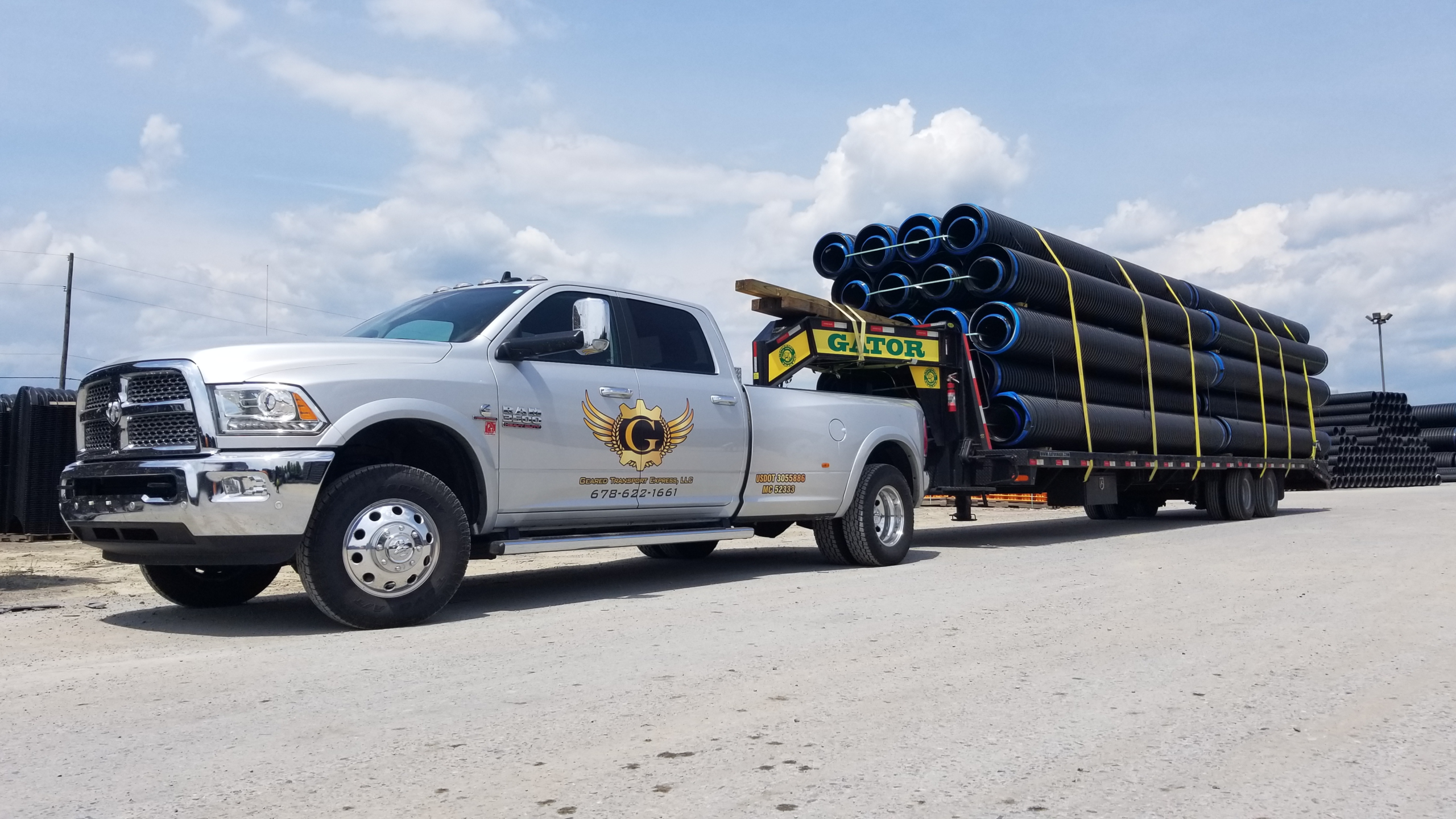
Hotshot Trucking Insurance in Columbus, Ohio: The Complete 2026 Guide for Owner-Operators
If you run a hotshot rig out of Columbus, Ohio, you already know the business moves fast. Loads come in on short notice, deadlines are tight, and your pickup and gooseneck trailer have to be ready to roll at a moment’s notice, no matter the weather or the hour. What a lot of owner-operators don’t realize until it’s too late is that the insurance policy sitting behind all of that hustle matters just as much as the truck itself. Getting the right hotshot trucking insurance isn’t just a box to check for your DOT authority — it’s the difference between a bad day and a business-ending event. In this guide, we’re going to walk through everything a Columbus-based hotshot operator needs to know about hotshot trucking insurance, from what it actually covers to how much it costs, what Ohio and federal regulators expect, and how to shop for a policy that actually protects your income.
What Is Hotshot Trucking Insurance, Exactly?
Hotshot trucking insurance is a specialized form of commercial auto coverage built for owner-operators who haul time-sensitive, smaller-scale freight using a medium-duty or heavy-duty pickup truck paired with a flatbed, gooseneck, or tilt-deck trailer. Unlike a standard 18-wheeler policy, this coverage is written around the unique risk profile of a pickup-and-trailer combination that’s frequently in and out of construction sites, oilfields, ag operations, and manufacturing docks across Ohio and the surrounding states.
A properly built hotshot trucking insurance policy typically includes several core coverages working together:
- Commercial auto liability – covers bodily injury and property damage you cause to others in an at-fault accident
- Physical damage coverage – comprehensive and collision protection for your truck and trailer
- Motor truck cargo insurance – protects the freight you’re hauling if it’s damaged, stolen, or lost in transit
- General liability – covers third-party injury or property damage that happens off the road, like at a loading dock
- Non-trucking liability (bobtail coverage) – protects you when you’re driving the truck for personal use or between dispatches, not under a load
Because every policy like this is built around your specific operation — the trailer type, the freight you haul, your radius of operation, and whether you run under your own authority or lease to a carrier — no two policies look exactly alike. That’s why working with an agency that understands hotshot trucking insurance inside and out matters so much when you’re based in Columbus and running loads across Ohio, Indiana, Kentucky, and beyond.
Why Columbus, Ohio Hotshot Operators Need Specialized Coverage
Columbus sits at the crossroads of I-70 and I-71, which makes it one of the busiest logistics hubs in the Midwest. That’s great for business — there’s no shortage of freight moving through central Ohio — but it also means Columbus hotshot operators are navigating dense urban traffic, heavy interstate volume, and a huge concentration of construction, warehousing, and manufacturing activity all at once. Every one of those factors raises your exposure, which is exactly why generic auto policies fall short and why specialized coverage built for this specific market matters.
Ohio’s Department of Public Safety and the Public Utilities Commission of Ohio (PUCO) both have requirements for commercial vehicles operating within the state, and if you’re running interstate loads out of Columbus, you’re also subject to Federal Motor Carrier Safety Administration (FMCSA) minimum insurance requirements. A local agency that understands both the Ohio-specific rules and the federal filings — like BOC-3 and MCS-90 — can make sure your hotshot trucking insurance policy checks every box instead of leaving a gap that shows up right when you need coverage the most.
Local knowledge matters in another way too. Columbus-area hotshot operators frequently haul into construction sites around New Albany, Dublin, and Grove City, or make agricultural runs out toward Circleville and Lancaster. An agent who understands the local freight lanes and the risks tied to them can tailor your policy to the actual jobs you’re running, not a generic template.
What Does Hotshot Trucking Insurance Actually Cover?
Let’s break down each core piece of this type of policy in more detail, because understanding what you’re buying is the first step toward buying the right amount of it.
Commercial Auto Liability
This is the foundation of any hotshot trucking insurance policy and, in most cases, it’s legally required before you can even get your DOT number activated. Liability coverage pays for injuries or property damage you cause to someone else if you’re at fault in an accident. FMCSA sets minimum liability requirements based on the type of freight you haul and your operating classification, and those minimums can range significantly depending on whether you’re hauling general commodities or something classified as hazardous.
Physical Damage Coverage
Your truck and trailer represent a massive investment, and physical damage coverage under this kind of policy protects that investment against collision, fire, theft, vandalism, and severe weather — something Ohio operators deal with more than most, given our ice storms, hail, and unpredictable spring weather. Without this coverage, a single accident or a hailstorm in the parking lot could wipe out months of profit.
Motor Truck Cargo Insurance
Cargo coverage is a non-negotiable piece of hotshot trucking insurance for any operator hauling freight for hire. If the load you’re carrying gets damaged in a rollover, stolen overnight at a truck stop, or lost due to a mechanical failure, cargo insurance is what keeps that loss from coming directly out of your pocket. Brokers and shippers will almost always require proof of cargo coverage before they’ll even tender a load to you, so this isn’t optional if you want to keep working.
General Liability
While your auto policy covers what happens on the road, general liability under this coverage protects you in situations that happen off the road — say, if you cause property damage while backing into a loading dock, or if someone is injured around your equipment during a delivery. Many shippers and general contractors will require a certificate of insurance showing general liability limits before they’ll let you on-site.
Non-Trucking Liability and Bobtail Coverage
If you lease onto a motor carrier, there are going to be times when you’re driving your truck without a load and without being dispatched — running to get fuel, heading home, or picking up parts. Non-trucking liability, sometimes called bobtail insurance, fills that gap in your hotshot trucking insurance so you’re never technically uninsured, even during downtime between loads.
Trailer Interchange and Rental Reimbursement
Depending on your setup, you might also want trailer interchange coverage if you’re regularly swapping trailers with other carriers, along with rental reimbursement or downtime coverage that helps cover lost income if your truck is in the shop after a covered claim. These add-ons round out a complete coverage package for operators who want zero gaps in protection.
How Much Does Hotshot Trucking Insurance Cost in Columbus, Ohio?
This is usually the first question owner-operators ask, and it’s a fair one — insurance is one of the biggest recurring costs in the business. The honest answer is that hotshot trucking insurance premiums vary widely based on a number of factors, and anyone who quotes you a number without asking questions first probably isn’t giving you an accurate picture.
Here’s what actually drives the cost of your premium:
- Driving record – Clean MVRs get significantly better rates than operators with recent violations or accidents
- Years of experience – New authority holders typically pay more until they build a track record
- Radius of operation – Local Columbus routes generally cost less to insure than long-haul interstate runs
- Type of freight hauled – General commodities are cheaper to insure than hazardous or high-value cargo
- Truck and trailer value – Higher-value equipment means higher physical damage premiums
- Coverage limits selected – Higher liability limits and lower deductibles both raise your premium
- Claims history – Prior claims on your CDL or business can significantly increase your rates
Because of all these variables, the only way to get an accurate number is through a real quote, not a ballpark figure pulled from a national average. A local Columbus agency that specializes in hotshot trucking insurance can look at your specific operation and shop multiple carriers to find the most competitive rate for your situation, rather than locking you into a single insurer’s pricing.
Common Mistakes Columbus Hotshot Operators Make With Insurance
After years of writing hotshot trucking insurance policies for Ohio owner-operators, a few recurring mistakes show up again and again — and they’re worth avoiding before they cost you.
Underinsuring cargo value. A lot of new operators buy the minimum cargo limit to save a few dollars a month, then find themselves personally on the hook for the difference when a $50,000 load gets damaged. Your cargo limit should reflect what you’re actually hauling, not the cheapest option on the quote sheet.
Skipping non-trucking liability. Operators leased to a carrier sometimes assume the carrier’s policy covers them at all times. It doesn’t. Any miles driven off-dispatch need their own coverage, and that gap is exactly what non-trucking liability in a hotshot trucking insurance policy is designed to close.
Letting authority lapse without updating insurance. If you switch from leased-on to running under your own authority, or vice versa, your hotshot trucking insurance policy needs to reflect that change immediately. Driving under the wrong operating classification can void coverage entirely if a claim happens.
Not shopping around at renewal. Trucking insurance markets shift, and the carrier that offered the best rate last year might not be competitive this year. Working with an independent agency that reviews multiple carriers annually keeps your premium honest.
Ignoring physical damage on older trucks. Some operators drop physical damage coverage on a paid-off truck to save money, not realizing that without it, they’d have to replace the entire vehicle out of pocket after a wreck. If your truck is your income, it needs to be protected.
Federal and Ohio Requirements Every Hotshot Operator Should Know
If you’re operating under your own DOT authority out of Columbus, there are a handful of federal and state requirements tied directly to your hotshot trucking insurance that you can’t afford to overlook.
FMCSA minimum liability limits apply based on your cargo classification. Non-hazardous general freight typically requires a $750,000 minimum, while certain classifications require $1,000,000 or more. Your policy needs to meet or exceed these federal minimums or your authority can be flagged as inactive.
BOC-3 filings designate process agents in every state you operate in, and this filing works hand-in-hand with your insurance to keep your authority active with FMCSA.
MCS-90 endorsements are a federally required addendum that protects the public even if your hotshot trucking insurance policy has exclusions that would otherwise apply — though it’s worth noting this endorsement protects third parties, not you, so it’s not a substitute for adequate coverage.
Ohio-specific requirements through PUCO may apply if you’re running certain intrastate hauls, and Ohio’s financial responsibility laws set their own minimums for any commercial vehicle registered in the state. A Columbus-based agency that writes this kind of coverage every day will already know how these state and federal layers stack together, so you’re not left piecing it together yourself.
How to Choose the Right Hotshot Trucking Insurance Agency in Columbus
Not every agency understands the hotshot niche the way it deserves to be understood. Here’s what separates a good hotshot trucking insurance partner from one that’s just selling you a generic commercial auto policy with a different name on it.
Look for trucking-specific experience. An agent who splits their time between homeowners policies and trucking accounts isn’t going to know the nuances of cargo classifications, operating radius rules, or how carriers price this niche differently than standard commercial auto. You want someone who lives in this niche.
Confirm access to multiple carriers. The best hotshot trucking insurance agencies work with a range of insurance companies, not just one. That means they can actually shop your account and find the best combination of price and coverage instead of pushing whatever their single in-house carrier offers.
Ask about claims support. When something happens on the road, you need to reach a real person, not a call center script. A strong agency will walk you through the claims process on your hotshot trucking insurance policy and advocate on your behalf with the carrier.
Check turnaround time on certificates of insurance. Brokers and shippers often want a COI same-day before they’ll dispatch a load to you. Agencies that offer instant COI access through an online portal save you from losing loads while you wait on a callback.
Ask direct questions about coverage gaps. A trustworthy agency will walk you through exactly what your policy does and doesn’t cover, rather than glossing over exclusions until you find them the hard way during a claim.
Getting Your Hotshot Trucking Insurance Quote in Columbus, Ohio
Whether you’re just getting your DOT authority activated or you’re a seasoned operator looking to switch carriers at renewal, the process of getting a hotshot trucking insurance quote should be straightforward. A good agency will ask about your equipment, your typical freight, your operating radius, your driving history, and your authority status before giving you a number — because a real quote reflects your actual risk, not a generic estimate.
Columbus Commercial Truck Insurance works with owner-operators and small fleets throughout central Ohio to build coverage that matches how you actually run your business. From box trucks and flatbeds to dedicated hotshot rigs pulling gooseneck trailers, our team shops multiple carriers to find coverage that protects your equipment, your cargo, and your income — without paying for coverage you don’t need.
If you’re ready to talk through your hotshot trucking insurance options, our Columbus-based team is available to walk you through coverage, pricing, and the federal filings that go along with your authority. You can reach us at (614) 587-3031, or stop by our office at 175 S 3rd St, Suite 1420, Columbus, OH 43215, to talk with someone who understands the hotshot business from the ground up.
Frequently Asked Questions From Columbus Hotshot Operators
Do I need a CDL to buy this kind of coverage? Not necessarily. Many hotshot rigs fall under 26,000 pounds GVWR, which means a standard driver’s license is often enough, though your specific truck and trailer combination will determine what’s required. Your agent can confirm whether your setup crosses into CDL territory based on Ohio’s weight thresholds and your gross combined vehicle weight rating.
Can I get coverage the same day I need to start hauling? In many cases, yes. If your paperwork is in order — MVR, business information, equipment details, and authority status — a Columbus agency with strong carrier relationships can often bind coverage quickly so you’re not sitting idle waiting on a load. Same-day certificates of insurance are common when brokers need proof before dispatching freight to you.
What happens if I haul occasional loads for a friend or side business without proper coverage? This is a common and costly mistake. Personal auto policies almost always exclude commercial use, meaning if you’re paid to haul freight — even occasionally — and get into an accident, your personal carrier can deny the claim entirely. Any time money changes hands for hauling, you need a commercial policy in place.
Does my policy follow me across state lines? If you’re running interstate loads out of Columbus into Indiana, Kentucky, Pennsylvania, or beyond, your policy needs to reflect that interstate operation, along with the appropriate FMCSA authority and filings. Purely intrastate operators have different requirements than those crossing state borders regularly, so it’s worth confirming your radius and lanes with your agent every year.
Will my rates go down over time? Generally, yes — as you build a longer track record with a clean MVR and no claims, carriers view you as lower risk and rates typically improve at renewal. New authority holders often see the steepest premiums in year one, with meaningful decreases as tenure and safety scores improve.
Should I bundle my truck and trailer on one policy? In most cases, yes. Bundling your power unit and trailer under a single policy with one carrier tends to simplify claims, reduce paperwork, and often qualifies you for better overall pricing than insuring each piece separately through different companies.
What if I lease onto a carrier — do I still need my own policy? It depends on your lease agreement. Some carriers provide primary liability coverage while you’re under dispatch, but you’ll still typically need your own physical damage, non-trucking liability, and sometimes cargo coverage to fill the gaps their policy doesn’t touch. Always read your lease agreement’s insurance section closely and confirm with an independent agent what you personally need to carry.
Final Thoughts on Hotshot Trucking Insurance for Columbus Owner-Operators
Running a hotshot operation out of Columbus means juggling tight schedules, unpredictable freight, and a lot of miles on I-70 and I-71 every week. The last thing you want is to find out your coverage has a gap right after an accident or a lost load. The right hotshot trucking insurance policy gives you the confidence to take on new freight, meet broker requirements, and keep your authority compliant — all while protecting the truck and trailer that keep your business moving.
Take the time to work with an agency that actually understands this niche, ask the right questions about your coverage limits, and revisit your policy every renewal to make sure it still fits your operation. Central Ohio’s freight market isn’t slowing down, and neither should you — as long as your hotshot trucking insurance has your back every mile of the way.
